


Frederick Douglas Speech Examines Rejection of Blacks on Independence Day in 1852

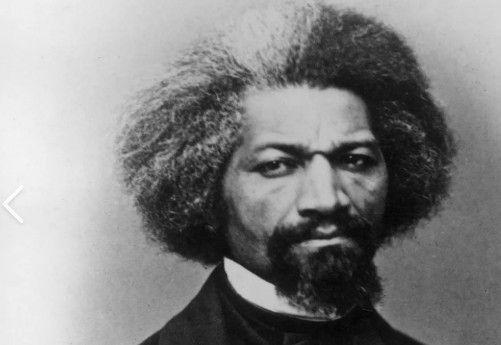
As the United States commemorates the 250th anniversary of the Declaration of Independence, Americans are reflecting not only on the nation's founding ideals but also on the voices that challenged it to live up to them. Among the most enduring is Frederick Douglass, the formerly enslaved abolitionist whose 1852 address, "What to the Slave Is the Fourth of July?", remains one of the most powerful critiques of the gap between America's promise of liberty and the reality of slavery. More than 170 years later, as the nation marks its semiquincentennial, Douglass's words continue to shape conversations about freedom, citizenship, equality, and the unfinished work of fulfilling the principles proclaimed in 1776. It is fitting to share the speech and considers its relevance today as America appears to be undergoing a racially divisive reset. The nation tunrs 250 one week from today.


